Buscar este blog

Mostrando entradas con la etiqueta Lengua Árabe. Mostrar todas las entradas

miércoles, 3 de abril de 2013

El lenguaje contestatario como elemento de subjetvización: el caso de las revoluciones árabes

Hoy en el blog comparto con ustedes el texto de mi ponencia presentada en el CELE de la UNAM  dentro del Seminario de Semiótica del Departamento de Lingüística Aplicada, celebrado el día 3 de abril de 2013.


La recuperación de la voz propia, de la condición de Sujeto creador y creativo en medio de un sistema de opresión y de círculos de poder que hacen valer la violencia física y epistemológica, ha sido uno de los temas tratados por muchos pensadores desde mediados y finales del siglo XX (Freire, 1971; Dussel, 1980; Chomsky; 1993). Hay varias aproximaciones muy valiosas que, entre otras cosas, nos remiten a valorar y a usar conceptos para entender el papel desempeñado por las personas en este sistema de deshumanización, marginación y creciente consumismo de identidades que ha impuesto el capitalismo, así como su producción semiótica-cultural que ha desplegado en las conciencias de los pueblos para mantenerse como tal, como hegemón-opresor (Freire, 1964).
            En este contexto, el siglo XXI ha abierto con su primera revolución, tawra en el lenguaje del Sujeto creador (pero no el único), el pueblo árabe, la cual ha dejado sorprendidos a propios y extraños por su magnitud, resonancia e influencia a nivel mundial en otros movimientos sociales alrededor del mundo. Una influencia que tiene y tendrá por décadas, a esperas de que se convierta en un proceso de permanente liberación.
            Ha sido el levantamiento de la voz árabe, el deseo expresado en sus convenciones culturales y códigos semióticos, aquel fenómeno que ha demostrado una vez más la vigencia del pensamiento de los autores que hablan del contrapoder que automáticamente surge cuando hay redes y relaciones de poder hostigando y deshumanizando al Sujeto (Castells, 2009). Ante la violencia física y epistemológica que roba la memoria histórica a los pueblos, surgen nuevas formas de resistir y contestar al poder en las cuales se expresan los deseos más íntimos de los Sujetos que se han reconocido como oprimidos después de tantos años de poder colonial y poscolonial que, en el caso de los árabes y los habitantes de Oriente Medio, se había impregnado en cada rincón de la sociedad para callar, aplastar, asesinar, reprimir, violar, secuestrar y arrebatar la dignidad y los valores de los Sujetos con ayuda de aliados en el exterior. Se trataba de una opresión que apretaba de dos lados; desde la tiranía interna de los dictadores y desde la intervención extranjera de los (Garduño, 2012).
            En el enfoque que propone este texto para estudiar la denominada “primavera árabe” no es el de “dar voz a los Sujetos”. Ellos ya la tienen, siempre la han tenido. No se trata de otorgar a las sociedades de Asia Occidental un espacio de expresión ya que ellos siempre lo han tenido y, lo que es más, lo han tenido y ha sido presa de ataques y censura por parte de la maquinaria cultural del opresor ya sea en el barrio, la mezquita, el marcado o, ahora muy en auge, el espacio virtual que ofrece Internet. Se trata, por el contrario, de escuchar con más atención esas convenciones culturales de los pueblos sin más intermediario que aquel que se expresa y ha superado lo que Freire (1971) llama la contradicción del opresor-oprimido, es decir, de aquella persona que al saberse como oprimido no se convierte en opresor inmediatamente como muchos lo hacen (el campesino que se convierte en capataz y oprime, o el ciudadano que se convierte en traficante de drogas y asesina), sino que emprende el camino de la liberación permanente y responsable con su semejante mediante valores que considera simplemente como humanos, comunes y aplicables y respetables a toda la comunidad.
            Estos deseos de emprender una liberación permanente están explícitos en los códigos semióticos expresados en las revoluciones árabes que comenzaron en diciembre de 2010 en Túnez y que siguieron desde 2011 y hasta la fecha en diversos países de la zona geográfica en cuestión. Eslóganes, canciones, manifestaciones visuales, poéticas y pasionales, componen un repertorio que ha sido la principal respuesta a la pregunta masiva que se hicieron los receptores de los mensajes de la revolución en el mundo: ¿qué quieren los árabes? O mejor dicho: ¿ahora qué quieren los árabes?
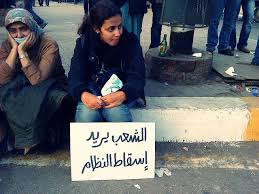
            Lemas como “el pueblo quiere derrocar al régimen”, “vete”, “dignidad, justicia y libertad”, “libertad de expresión y prensa”, entre otros, fueron una creación de la vox populi, que inmediatamente fue objeto de malinterpretaciones, traición-traducciones y/o de omisiones por parte de las grandes cadenas trasnacionales de comunicación que, en vísperas de este cambio, vieron amenazados sus intereses hegemónicos en aquella parte del mundo rica no solo en recursos energéticos como el gas o el petróleo sino en historia, lengua, cultura e identidad.
            Por más de doscientos años, los gobernantes poscoloniales introdujeron formaciones ideológicas tales como el socialismo, el arabismo o el islamismo, aparentemente creados para el combate de la opresión de los poderosos y los dueños de ese capitalismo salvaje y excluyente que comenzó desde el siglo XIX y del cual no solo los dictadores árabes eran partidarios sino también sus agentes de repetición.

            Se creó una (in) diferencia en un sistema binario entre lo que se llamó Occidente y los demás (The West and the Rest) donde el individuo se deshumanizó y, en palabras de Hamid Dabashi (2012), todo lo no-occidental se colocó fuera de los tropos de la metafísica europea evitando que “el resto” nunca estuviera en el ámbito de la Sujeción plena o dentro de la misma agencia histórica de su realidad.

            En tanto el Sujeto necesita del lenguaje para poder ser dicho (para decir quién es, qué quiere, para decir una ironía o una historia biográfica), el lenguaje contestatario usado en las manifestaciones sociales del proceso en estudio ha sido la herramienta con la que se ha expresado el Sujeto para dar a conocer su experiencia con el colonialismo, el poscolonialismo y el capitalismo. Manifestaciones orales y verbales como las antes señaladas han sido la manifestación reivindicativa de que aquel que habla no puede hacerlo sino después de haber advertido que hay un tal Yo o Mi o Nosotros y Otro, Ellos, Otros, que abre la operación de quejarse, de formular una pregunta, de comunicar una noticia o hacer una afirmación como Sujeto al margen del sistema que le había privado de esa capacidad.

            Este texto, que es una muestra introductoria de un proyecto posdoctoral a desarrollar este año en el CIESAS de Guadalajara bajo la supervisión del Dr. Jorge Alonso, pretende demostrar que para que un Sujeto se mantenga como Sujeto o reivindique su condición de Sujeto, su palabra debe permanecer activa y vigente. Su lenguaje y sus manifestaciones artísticas y estéticas deben reconstruirse frecuentemente con respecto al Otro y responder a su voluntad y a su bienestar social. En este sentido, el lema “Todos somos Jaled Said” se refiere a un eslógan utilizado en Egipto para presentar la indignación que la comunidad sentía por la muerte de Jaled Said, un bloguero que fue secuestrado en un café Internet por la policía secreta egipcia tras publicar críticas al régimen y cuyo cuerpo con muestras de tortura fue presentado en Internet mediante fotografías de su martirio. La indignación de la comunidad ante las fotografías causó un efecto de solidaridad con la familia de Said, proceso que fue una de las mechas que prendió el proceso denominado como “la Primavera Árabe egipcia”. La indignación de la colectividad se plasmó en un solo eslógan que retrata muy bien el sentimiento de la mayoría de los egipcios que se enteraron del asunto: “Todos somos Jaled Said”.

            Este proceso tiene que ver más con indignación social que con hambre. No son protestas de pan solamente (López, 2012). Se trata de un proceso de indignación ante la humillación colectiva que la gente ha sentido durante varias décadas y que ahora son los jóvenes árabes aquellos que han levantado la voz bajo nuevas formas de protesta, esencialmente, formas de carácter pacífico. Si bien la inmolación de Muhammad Buazizi (vendedor de frutas que fue privado de vender su mercancía en vía pública y dio pie a quemarse a lo bonzo en Túnez) desató la ola de indignación en la región, ha habido otros eventos anteriores que han marcado este deseo de Subjetivización de la población de esta zona. En 2003, Iraq se vio envuelto en un largo movimiento social contra la guerra que mostró los primeros zapatos no solo a los dictadores árabes sino también a los invasores occidentales; en 2004, Egipto vio crecer un movimiento de protesta denominada Kefaya (ya basta) que criticaba la posición dictatorial del gobierno, la intervención occidental en Iraq y las políticas del régimen de Israel contra el pueblo palestino; en 2009, Irán vio las protestas más fuertes en su país después de la revolución de 1979 por un presunto fraude electoral; en 2010, pobladores del Sáhara Occidental fueron testigos de una ola de represión en los campamentos de refugiados por parte del ejército marroquí, entre otros sucesos importantes que incluyen huelgas de trabajadores argelinos, egipcios y presos políticos palestinos a lo largo de la primera década del siglo XX:

            Sí, pero ¿por qué ahora? Pregunta Gómez (2011) quien de manera brillante ofrece la respuesta al público. Hace dos décadas que el porcentaje de población árabe menor de 25 años supera el 50%. La novedad hoy, es su nivel de educación y su integración en la sociedad de la información.

            Así, la característica común de la Primavera Árabe con la sociedad global en crisis es que ambas se enfrentan al mismo problema, la crisis del capitalismo. El Sujeto no aguanta el peso del sistema y sus residuos. Ahora el Sujeto es el espacio a colonizar por el capitalismo volviendo a las personas códigos, números y consumidores de deseos creados. Por ello, cada vez mas son los expulsados, los desempleados, los humillados, los migrantes, los que no tienen recursos, los no Sujetos. Los árabes han dicho, nuevamente, basta.

            Dentro de esta Sociedad diluida por el capitalismo, la voz de la Primavera Árabe ha sido de las primeras en levantarse y en tratar de reivindicar su condición de Sujeto mediante la resonancia de su lenguaje contestatario, un lenguaje que ha influido, con resultados a la espera, en otros lenguajes contestatarios a través del mundo tales como “los indignados” en Europa, “el movimiento del 99%” en Estados Unidos, “Yo Soy 132” o “estoy hasta la madre” en México, entre muchos otros que se están gestando justo ahora.

            La Primavera Árabe ha sido ya “una victoria del siglo XXI frente al arcaísmo del siglo XX”. Esta subjetivización (recuperación de la condición de Sujeto) es el resultado de la experiencia, elemento sine qua non, se lleva a cabo el proceso de imaginar lo nuevo. En otras palabras, la imaginación viene ordenada mediante unos principios de origen empírico, y será la tarea de la persona aquella de ordenar las experiencias, darles un sentido en su entorno social y cultural.

            No se debe olvidar que el Sujeto no es un ser propiamente lógico, sino también pasional. La persona se constituye sobre un fondo delirante, es una forma de ordenar una entropía inicial, hecha de todos los estímulos que al azar invaden nuestra mente desde el principio. La actividad racional no resulta, así, ser un fin, sino un medio para satisfacer las pasiones o para moderar las pasiones que pueden dañar a la sociedad.

            Ese es el principio sobre el que se basa este proyecto, sobre la experiencia de la Primavera Árabe y su forma de ordenar sus pasiones que han demostrado hacer frente al discurso proveniente de los dueños del poder que decían que “no hay democracia para los árabes porque los árabes no estaban preparados para ella” (Dorovitz, 2011).


            Y ciertamente es tan falso e incorrecto lo citado por Dorovitz (2011) que este estudio es necesario porque trata de documentar el cuerpo que dio origen a una revolución mental, intelectual y estructural más que una revolución económica y meramente política basada en términos de democracia y, mucho menos, de democracia electoral. Se trata de documentar y divulgar un cambio de conciencia donde se han  utilizado “las herramientas del sistema” y donde “los Sujetos se han inmerso en el sistema para causar una fractura en él e invitar al cambio de dirección de algunos de sus flujos.

            Así, el trabajo aquí propuesto intenta refutar diversos estudios de arabistas, sociólogos y antropólogos que han otorgado diversos conceptos a los participantes de la Primavera Árabe mediante el uso de las teorías orientalistas que denigran y describen peyorativamente a la creación de protestas sociales en el “mundo árabe” (como si se tratara de un mundo aparte) y promueve una fotografía caótica, violenta y sin sentido al resto de la opinión pública. La asignación de categorías como “rebeldes”, “insurrecciones”, “terroristas”, “vándalos”, “opositores”, entre muchos otros, son solo ejemplos de cómo se han mal interpretado (intencionalmente o no) a un movimiento que tiene sus propias lenguas, mensajes y actores, los cuales se autodenominan de manera muy diferente a la que muchos medios de comunicación  hacen referencia.

            Ahora bien, la necesidad de divulgar la autodefinición de las protestas, de sus actores, de sus objetivos y de sus formas de organización no es algo que se deba ver de manera estática sino que, como fenómeno social, tienden a cambiar de acuerdo con el contexto histórico-cultural y la coyuntura política que se viva. En este sentido, el proyecto justifica su existencia al incorporar el elemento de la “significancia” (significance) más que el del significado (meaning) de las protestas como propuesta teórica y metodológica dentro del marco de las teorías de movimientos sociales promovidas por autores reconocidos por sus aportaciones al asunto como Charles Tilly (2009) o Manuel Castells (2009).

            En el caso particular de nuestro tema, no debemos preguntarnos qué es la Primavera Árabe sino lo que significa, su magnitud y su impacto sobre estos flujos donde la sociedad sobrevive tomando mucho en cuenta el contexto donde lo hace. Nuevamente, en tanto pensar es crear y hacer historia, creo que en las herramientas de la historia oral de los mismos árabes (y no árabes que viven en Oriente Medio) encontraremos la ayuda necesaria, el soporte, para explicar las creaciones de la Primavera Árabe y lo funcional e importantes que son para el contexto histórico y geográfico donde han surgido y donde ha impactando masivamente.

            Es verdad que en cada sociedad, en cada época, hay un interés general en que nada realmente cambie, en que no haya preocupaciones, rebeliones, subversiones, nada. Pero en la comprensión de lo que está ocurriendo en el Norte de África y el Asia Occidental, nos estamos quedando sin metáforas y necesitamos explicaciones nuevas. El “hombre árabe” que sale ahora a la calle habla de política todo el tiempo, critica, llora, escucha, canta, pinta, escribe, está atento, crea y piensa en su futuro, en su familia. Lo hace de nuevo, siempre lo ha hecho, pero ahora se ha escuchado masivamente.

            Este nuevo lenguaje de la Primavera Árabe impactará (ya lo hace) sin duda en la política nacional e internacional de las generaciones venideras. Estos levantamientos han ido más allá de los conceptos de etnia y religión, de nacional, pro o anti occidental y marcan el final de esas formaciones ideológicas y conceptuales basándose únicamente en la referencia más intima que tenemos, el Yo existo. En un acercamiento al tema (Garduño, 2012), estudié cómo las revoluciones árabes han transformado su entorno y su manera de pensar, siendo la lengua un elemento que experimentó grandes cambios a través de la adaptación de términos de otras lenguas y de experiencias de otros pueblos para echar a andar sus propios movimientos sociales de cambio y reivindicación ciudadana sin ningún tipo de influencia partidista o de actores externos como anteriormente se había dado.

            Estos precedentes, y la necesidad de profundizar sobre cómo estos nuevos términos han influido (de regreso) en otras sociedades, es lo que ha impulsado mi ánimo e interés por seguir el tema y desarrollar el marco teórico necesario para explicar este cambio en la realidad, no sin antes recalcar que el material para este trabajo proviene de los mismos actores que se han manifestado en las calles y medios de comunicación alternativos, principal manantial de fuentes primarias a explorar, donde la semiótica puede ayudarnos no a significar sino a entender cómo y quiénes han significado esas convenciones culturales.

            Y es que eso es precisamente el argumento principal del proyecto, es decir, que es necesario informar y documentar que los Sujetos se han recuperado del trauma histórico sembrado por el poscolonialismo y el capitalismo y que, pese la violencia que impera en nuestros días, el vocabulario y las expresiones que se encuentra en su lenguaje contestatario ha sido la mejor arma para aniquilar lo que los aniquilaba, para reconstruirse como Sujetos, para anunciar que Existen y que Existimos y que vamos hacia una nueva geografía de la subjetivización que ya no está asignada al reparto colonial o poscolonial de las estructuras de dominación capitalista y consumista, sino a una reestructuración de la emancipación mucho más radical que la emancipación prometida, una emancipación que conecta lo individual, lo local y lo regional con lo mas intimo de nuestra reconfiguración humana.

Referencias

Castells, M. (2009). Comunicación y poder. Madrid: Alianza Editorial.
Chomsky, N. (1993). Año 501: La conquista continúa. Madrid: Libertarias/Prodhufi.
Dabashi, H. (2012). The arab spring: The end of postcolonialism. London; New York; New York: Zed Books.
Dussel, E. D. (1980). Filosofía de la liberación. Bogotá: Universidad Santo Tomás, Centro de Enseñanza Desescolarizada.
Freire, P. (1971). Pedagogía del oprimido. Lima: Tierra Nueva.
Garduño, Moisés (2012). “Interpreting Revolutionary Arabic: terms and vocabulary in the Language(s) of The Arab Spring”, en DW Academy (coord). The Media Dialogue 2012. The Arab World, Bonn: DW.
Gómez, Luz. (2011). “Siete claves para el despertar árabe”. El País,  15 de abril de 2011. Disponible en http://elpais.com/diario/2011/04/15/opinion/1302818412_850215.html, consultado el 2 de abril de 2013.
Horovitz, David. (2011). “A mass expression of outrage against injustice”. The Jerusalem Post. 25 de febrero de 2011. DIsponible en http://www.jpost.com/Opinion/Columnists/Article.aspx?id=209770, consultado el 2 de abril de 2013.
Tilly, Charles. (2009). Los movimientos sociales, 1768-2008; desde sus orígenes a Facebook. Barcelona: Crítica.

Bibliografía recomendada

Al-Issa, A., & Dahan, L.S.: (2011). Global English and Arabic: issues of language, culture and identity, New York. P. Lang.
Abid, Kamal. (2012). “Las bellas artes inspiradas en las ideas de la Primavera Árabe” Disponible en http://www.annabaa.org/nbanews/2012/03/097.htm, consultado el 2 de abril de 2013.
Alonso, Jorge (1994). Cultura política y educación cívica, México. CIIHUNAM.
Arkoun, M. (1992). El Pensamiento Árabe. Barcelona.  Paidós.
Ayubi, N., & Herrera, A. (1996). El islam político: Teorías, tradición y rupturas. Barcelona: Bellaterra.
Della Ratta, D. ( 2011). Creative resistane challenge´s Syria´s regime. Disponible en  http://www.aljazeera.com/indepth/opinion/2011/12/20111222162349451619.html, consultado el 1 de abril de 2013. 
Fanon, F. (1963). Los condenados de la tierra. México: Fondo de Cultura Económica.
Garduño, M.: 2012, “Corán y lengua árabe: entre el dialecto, el árabe medio y el fusha”, Revista de Estudios de Asia y Africa, (147) 1. (El Colegio de México, México)
Khouri R.G. (2011). "The Arab awakening", Nation Nation, vol. 293, no. 11.
Lacan (1980). Lettres édifiantes et curieuses adressées au docteur Lacan pour s'inscrire à son école. Paris. Solín.
Melucci, A. (1999).  Acción colectiva, vida cotidiana y democracia, México. El Colegio de México.
Pierce, J.E. (1975). Languages and linguistics: an introduction, The Hague. Mouton.
Said, E. W. (1978). Orientalism. New York: Pantheon Books.
Said, E. W. (1993). Culture and imperialism. New York: Knopf : Distributed by Random House.
Said, E. W. (2004). Humanism and democratic criticism. New York: Columbia University Press.
Saleh Waleed. (2007). El ala radical del islam : El islam político : Realidad y ficción. Madrid: Siglo XXI.
Saussure, F.d. (1959). Course in general linguistics. (Philosophical Library, New York)
Sharīʻatī, ʻ. (1980). Marxism and other western fallacies : An islamic critique. Berkeley: Mizan Press.
Suleiman, Y. (2003). The Arabic language and national identity: a study in ideology, Washington DC. Georgetown University Press.

sábado, 15 de septiembre de 2012

هل هنا من ضرورة لترجمة الأدب العربية؟ هل هناك أهمية لترجمة الأدب العربي إلى لغات أجنبية حقا؟ إبراهيم فرغلي / Is it really necessary to translate Arabic literature? Is there any relevance of translating Arabic Literature to foreign languages? by qisasukhra


A continuación ponemos a disposición del lector dos versiones del mismo artículo, una en árabe y otra en inglés, acerca de la importancia de traducir la literatura árabe a oras lenguas. La hipótesis del autor, Ibrahim Fargali, es fuerte y directa. La traducción del inglés es de un bloggero que usa el seudónimo de qisasukhra.


هل هنا من ضرورة لترجمة الأدب العربية؟
هل هناك أهمية لترجمة الأدب العربي إلى لغات أجنبية حقا؟

إبراهيم فرغلي


أتابع منذ فترة بحكم عملي كصحفي وكاتب ووفقا لاهتماماتي أخبار ما يترجم من الأدب العربي إلى اللغات الأجنبية في أوربا، خصوصا للغات الإنجليزية والفرنسية والألمانية. كما أتابع باهتمام أخبار الجوائز العربية التي تحظى باهتمام مؤسسات الترجمة وبينها على وجه الخصوص جائزتي نجيب محفوظ التي يمنحها سنويا قسم النشر بالجامعة الامريكية بالقاهرة، والجائزة العالمية للرواية العربية المعروفة باسم بوكر العربية.

ولفترة طويلة كنت استقبل تلك الأخبار بحسن نية، وبتقدير الجهات الغربية المهتمة بترجمة ادب ليس له شعبية عالمية، مبتسما في الحالات جميعا ابتسامة مرارة، لكني اليوم، وبعد الكثير من المراقبة والمتابعة وجدتني اسأل نفسي سؤالا ملحاً وهو: هل ثمة أهمية بالفعل لأن يترجم الأدب العربي إلى اللغات الأجنبية؟ وهل تؤدي مثل تلك الجوائز حقا إلى انتشار الأدب العربي في لغات أخرى؟

وأخشى أن إجابتي على السؤالين هي إجابة بالنفي، بـ "لا" قاطعة وبلا تردد. فمن مجمل ما نراه اليوم مترجما ومحتفى به من الأدب العربي في الغرب، ومن الجائزتين المذكورتين وسواهما أرى أن شيئا لم يتغير، فلا هذه الترجمات نجحت في التعبير عن الإنتاج الأدبي الحقيقي في العالم العربي من جهة، ولا استطاعت أن تحقق أية جماهيرية لهذا الأدب، ولا أتوقع أن يحدث هذا مستقبلا طالما استمرت الطريقة التي تعمل بها آليات الترجمة الموجودة الآن على النحو نفسه. خصوصا وأن المشكلة الكبرى التي تواجه ترجمة الأدب العربي هي غياب مؤسسات عربية تدعم وتروج وتخطط لعملية ترجمة منظمة.

ولعله من الضروري هنا أن أذكر نفسي أننا نعيش في مجتمع فُرجة كما يقول جي دوبور  Guy Debor، وأن القيم الرأسمالية الربحية تصوغ القيم في العالم كله غربا وشرقا، وتعمل مؤسسات تسويق الصور الاستهلاكية الجبارة على خلق أسواق تؤدي للربح ايا كان المنتج، وللأسف يبدو لي أن سوق النشر والترجمة، أوربيا وعربيا لم يعد استثناء من هذه القاعدة. لكن ما يهمني هنا ككاتب عربي هو التأكيد على أن الكتاب العربي الذي يتم تصديره خارج حدوده عبر الترجمة، ممثلا للمجتمع العربي الذي يصدر فيه، أصبح ضحية مزدوجة؛ مرة من الإعلام السطحي التجاري المهتم بالصورة على حساب الجوهر في بلد إنتاجه العربي، ثم هو، مرة أخرى ضحية أيضا  لـ "الصورة" التي تحاول المركزية الأوربية أن تقدمها للعالم عنه.

فمن الجلي اليوم أن هناك تركيزا من الناشرين على "موضوعات" كتابة وليس على "أساليب" كتابة، تركز عادة على موضوعات مثل الفساد ودور المرأة العربية في مجتمعها والعلاقات الجنسية خصوصا في المجتمعات المغلقة في محاولة تبدو كأنها مدفوعة من سوق نشر يقدم للقاريء الغربي صورة تقول بأن هذه المجتمعات قد لا تمتلك كتّابا عالميين، وهذا مفهوم مخلوق بواسطة المركزية الأوربية على أي حال، لكنها تمتلك مجتمعات يمكن للقاريء الغربي أن يتسلى بالتعرف عليها؛ مجتمعات مغلقة غير مفهومة تنتج الإرهاب والعنف، ويعيش اهلها العديد من مظاهر الفساد والاضطهاد وتعاني فيه المرأة من الاضطهاد الجنسي والاجتماعي،  وهذه الكتب تحاول أن تفتح لكم هذا العالم.

والحقيقة أن هذه الظاهرة أصبحت مثار تعليق الكثير من الكتاب العرب والمهتمين، واقتطف فيما يلي من مقالة لجابر عصفور الناقد والأكاديمي ورئيس المجلس الأعلى للثقافة المصري ووزيرالثقافة سابقا، في مقال له نشر في صحيفة الحياة متأملا هذه الظاهرة مؤكدا ان ما يحركها ما يسميه بنزعة الاستشراق الجديدة ويقول:"ترعى نزعة عالمية الاستشراق الجديد مجموعة من الأعمال الأدبية والفنية التي ينتجها العالم الثالث بوجه عام، والعالم العربى بوجه خاص، وهي أعمال تتوافر فيها صفات التشهير وفضح أشكال التخلف البشع في كل مكان، والفساد المستشري على كل مستوى، بهدف التسويق لهذه الأعمال بعد ترجمتها وتوزيعها، بعد الترويج الإعلامي لها على نحو غير مسبوق. ومن هنا نشأت ظاهرة الروايات الرائجة المحدودة القيمة الإبداعية الفضائحية التي لا تترك فساداً أو قمعاً أو شذوذاً أو انحرافاً إلا وتبديه مبرزة صوراً بشعة في تخلفها"، ويرى عصفور أن هذا الأمر ليس صدفة مشيرا إلى أن "ارتباط نزعة الاستشراق بأيديولوجيا هيمنة موازية، لحقها صعود أيديولوجيا العولمة، وتهدف إلى تحقيق أمرين، أولهما إبقاء صورة الشرق المتدني الغريب والعجيب والمتخلف والمقموع في آن في أذهان الغربيين، تبريراً لضرورة الهيمنة الاستعمارية على هذا الشرق ، وثانيها إيهام أبناء هذا الشرق العجيب بتخلفهم الأبدي الذي هو مصدر الإعجاب بهم، والفتنة بعوالمهم، وذلك بما يبقي الشرق المتخلف على تخلفه، مصدراً لثروات منهوبة، ومتحفاً لعجائب البشر وغرائب عوائدهم".

المستعرب الصديق شتيفان فايدنر كان واحدا ممن احتفوا ببعض هذه الكتب محدودة القيمة وبينها مثلا كتاب "تاكسي" لخالد الخميسي، قائلا:"سيتساءل بعض النقاد في الغرب: "أليست القيمة الأدبية لهذا الكتاب محدودة؟". لكن علينا حقا أن نتخلى عن الفهم الغربي التقليدي للأدب، من أجل فهم ما تمكن الكاتب من تحقيقه هنا. علينا أن نعترف أن الخميسي قد حل بضربة حاسمة عقدة الأدب العربي المعاصر والتي تكمن في أن المشاكل التي يفترضها أن يتناولها الكُتّاب في اعمالهم كبيرة جدا بحيث تصعب معالجتها أدبيا".

والحقيقة أنني بشكل شخصي لا أفهم لماذا يجب أن يتحول النص الأدبي إلى وثيقة سوسيولوجية متخليا عن قيمته الأدبية؟ ولماذا يروج لحكايات من هذا النوع على أنها ادبا من الأساس؟ والحقيقة أنه في مقابل هذه الفكرة التجارية تاكسي أنجزت الباحثة اللبنانية دلال البزري كتابا مهما صدر عن ميريت، بعنوان "السياسة أقوى من الحداثة" وهذا بحق هو الكتاب الذي يمكن أن يقدم لنا توضيحا رائعا للتغيرات التي مرت بها مصر اجتماعيا وسياسيا عبر شهادات هي اجابات على اسئلة لعدد من الاشخاص من أجيال مختلفة وطبقات مختلفة اكبرهم عمره 90 عاما واصغرهم في العشرين . واعتبرت المؤلفة أن ما قدمته هو بحث سوسيولوجي للكيفية التي يتم بها استقبال عناصر الحداثة والتعامل معها سلبا أو إيجابا في مقابل المفاهيم التقليدية. فهذا ما يجب أن يبحث عنه القاريء الغربي ليفهم العرب إن شاء.

 وما يجعلني اشعر بالغبن تجاه قيمة الأدب العربي في الغرب سأضرب له مثلا صغيرا يخص الكتب التي تنتج في آسيا، وتترجم ويحتفى بها، ليس فقط لموضوعاتها بل واساسا لأساليب كتابها. أذكر عندما زرت الفلبين قبل عامين سألت عن الكتاب الشباب فعرفوني إلى رواية كاتب شاب حازت جائزة البوكر الآسيوية وهي Illustrado للكاتب Miguel Syjuco، وهالني المستوى الرفيع للرواية وتركيبها والجهد المبذول فيها لغة واسلوبا ومهارة. فهذا هو الدور الحقيقي للجوائز في ظني، وليس هذا هو وضع الأدب العربي للأسف.

ومن أجل الأمانة يهمني أن أؤكد أن الكثير من الجهات ودور النشر الخاصة والصغيرة، أحيانا، في اوربا عموما، تقوم بدور يفوق طاقتها في التعريف بأهم الروايات العربية، بمعاونة فرسان من المترجمين النبلاء،ولكن لا تبدو أن مهمتهم سهلة. والمشكلة أن بعض الكتب التي تترجم للكتاب العرب الكبار مثل الغيطاني والبساطي وعبدالرحمن منيف وغيرهم، على سبيل المثال، لا يحتفى بها بالقدر التي يحتفى به بكتب متوسطة أخرى، واضرب مثلا واحدا آخر يحضرني الآن وهو مثلا الاحتفاء المبالغ فيه برواية الكاتبة السعودية رجاء الصانع "بنات الرياض"، وهو كتاب محدود فنيا، ولا يمكن لشخص معتاد على قراءة الأدب الالتفات إليه، على الرغم من أن هناك كتابا آخر لروائية سعودية اسمها صبا الحرز مثلا نشرت رواية مهمة عن مجتمع الأقلية الشيعة في السعودية، وعلاقات الغرام بين الفتيات هناك، في أسلوب فني رفيع، كاشفة عن مهارات سردية كبيرة وصدرت بعنوان "الآخرون" ولم يلتفت إليها أحد.

لذلك اظن أن جانبا مهما مفقودا في عملية الترجمة من العربية للغات الأجنبية وهو الجانب الأدبي نفسه، أي وضع القيمة الأدبية كمعيار أولي ووحيد، لأن العملية القائمة الآن تقوم على عامل السياسة بمعنى محاولة التعرف على ثقافة تصدر مشكلات تخلفها للغرب. وإقحام الأدب هنا قد تكون له بعض الفوائد لكنها في النهاية قد تسيء للأدب أكثر مما تنفع.

والدليل على ذلك أن الكتاب أصحاب الأساليب الكتابية الرفيعة، باستثناء إدوار الخراط ربما، تكاد تكون ترجمتهم معدومة، ومن بينهم من جيل الكتاب المعروف في مصر بجيل التسعينات مثلا مصطفى ذكري وهو سيناريست وكاتب رفيع الطراز يرى السياسة والاجتماع في الأدب تلويث للنص الأدبي، أسلافه بروست وبورخس وكافكا، نصوصه مركبة، ذات لغة خاصة، وثقافته رفيعة، وله عدة نصوص مهمة بينها "مراة 202" الذي أعده أحد أهم تجارب الكتابة الأسلوبية العربية مثلا.

كما أن هناك كاتبا استثنائيا هو يوسف رخا من الجيل الجديد أيضا أصدر العام الماضي رواية مهمة بعنوان "كتاب الطغرى" تعد، في اعتقادي، من الروايات الطليعية والتجريبية الهامة، ليس لأن لها لغة خاصة جدا وغير مسبوقة، بل وكنص يتحيز لمفهوم الرواية بصفتها الجنس الأدبي المشغول بإنتاج الفكر، وبوصفها وعاء الفلسفة الأدبية، وليس لكونها مرآه للواقع.تسأل معنى الهوية في مجتمع يمور بالتناقض. وعن أسباب قبول البعض التناقضات التي يحيونها كأنهم يتكيفون مع القهر او يستبدلوا ذلك بالانسياق الكامل لسلطة دينية كأنهم جماعات من الزومبي؟

بالإضافة إلى صوتين بارزين في تجديدهما في النص الروائي الجديد غير التجاري والذي يعتمد على مفاهيم ما بعد الحداثة في الكتابة الأدبية وهما نائل الطوخي "ليلى أنطون"، وطارق إمام "هدوء القتلة".

 وحتى الأدباء أصحاب التجارب الاستثنائية الراحلين من جيل محفوظ مثل يحي حقي صاحب الأسلوب الرفيع واللغة الخاصة لم يترجم من أعماله ربما سوى "قنديل أم هاشم" رغم ان له مجموعات قصصية في غاية الأهمية، أو رواية سعد مكاوي "السائرون نياما" وهي إحدى تحف النثر العربي المعاصر لم يترجما على حد علمي، وكذلك سنجد أن كاتبا مثل اللبناني ربيع جابر وهو أحد الكتاب المخلصين للرواية وأغزر الكتاب العرب إنتاجا من جيله مع العراقي علي بدر، لا يحظيان بالحفاوة التي تحظى بها نصوص اقل مستوى كثيرا مما ينتجه كل منهما. هناك ايضا كاتبا مصريا مهما هو محمد المخزنجي وهو قصاص في المقام الأول، موهوب بشكل كبير، ويعد امتداد عملاق القصة المصرية يوسف إدريس، لم يترجم بالشكل الكافي، وأظن أن إدريس نفسه لم يلق ما يستحقه من اهتمام.  

والقائمة طويلة من الكتاب المهمين من حيث قيمة نصوصهم ولم تلتفت لاعمالهم الترجمة اذكر على سبيل المثال منهم، الكاتب المصري الراحل صبري موسى صاحب النص الفاتن "فساد الأمكنة"، أو الكاتب المصري فتحي غانم وله عدد من الروايات المهمة بينها مثلا رواية "الافيال"، ومن الكويت إسماعيل فهد إسماعيل، بل حتى الكتاب المهمين الرواد في الجزائر مثل الطاهر وطار ومحمد زفزاف أكاد لا اسمع عن شيء ترجمة لأي من كتبهما، وإن لم اكن متأكدا من ترجمة اي منهما للألمانية وهما رائدان مهمان في السرد العربي المعاصر، والفلسطيني غالب هلسا، كما أن هناك اصواتا شابة مجيدة ولها تجارب مهمة لم اسمع عن نصوص قد ترجمت لهم إلى اي لغة اجنبية مثل السورية مها حسن ولها رواية جيدة جدا اسمها "حبل سري" عن معاناة الأكراد السوريين في هويتهم، أو علي المقري من اليمن، وحسين العبري من سلطنة عمان وله رواية جميلة بعنوان "الوخز"، تتناول عالمي المرض النفسي والقهر السياسي في سلطنة عمان بمهارة سردية. وغير هؤلاء الكثير من الأسماء.

 عندما زرت المانيا كراو مدينة شتوتجارت في العام 2004 لاحظت أن معرفة الالمان بالعرب غائمة، يكادون لا يفرقون حتى بين مدن منغلقة وذات ثقافة صحراوية مثل السعودية وبين بلد صاحب حضارة قديمة مثل مصر أو مدينة شبه اوربية متحررة تماما مثل بيروت، ويتعاملون مع العرب ذهنيا ككتلة جغرافية متماثلة تمتليء بالتخلف والعنف والرجعية ..الى آخر الكلاشيهات الموروثة من الكتابات الاستشراقية الكلاسيكية. وبمثل هذه التصورات العامة والمشوشة، قد تكون مهمة إثبات أن هذا العالم يمتلك أدبا قيما وكتابا لا يقلون عن نظرائهم في العالم، وان لديهم مدارس واساليب ادبية مختلفة، مسألة ليست من السهولة بمكان.

واليوم لا أظن أن الفكرة التي يروج لها شتيفان فايدنر بالاحتفاء بالكتب متوسطة القيمة لأجل التعرف على العالم العربي سيحقق الهدف، بل العكس صحيح، وهو ما يحدث الآن مع الثقافة العربية التي احتفى بها في فرانكفورت في العام 2004 ولكن بلا أثر حقيقي في تحفيز الإقبال على قراءة هذا الأدب كما هو شأن أدب آسيا وامريكا اللاتينية، لاختلاف المنطلق الذي تم منه تناول تلك الأعمال الأدبية


Is it really necessary to translate Arabic literature?
Is there any relevance of translating Arabic Literature to foreign languages?

by qisasukhra

“A translation (the irony!) of Ibrahim Farghali’s essay on the translation of Arabic literature as published here on his blog.”

I have for a while now, in my capacity as a journalist and writer, and given my interests, followed reports of any Arabic literature translated into foreign European languages, particularly English, French and German. I also take a close interest in those Arabic literary prizes that receive attention from the translation industry, amongst which—and most especially—are the Naguib Mahfouz Prize (awarded annually by the American University in Cairo Press) and the International Prize for Arabic Fiction, commonly referred to as the Arabic Booker.

For a long time I would receive these reports in good faith and with an appreciation of those in the West that involve themselves in translating a literature that enjoys no great global popularity, smiling at times and always bitterly. Today, however, after much following and observation, I find myself posing a pressing question: Is it really important that Arabic literature be translated into foreign languages? Do prizes like these honestly lead to the spread of Arabic literature in other languages?

My response to these two questions is, I fear, a negative: a definite, unequivocal “No”. Taking together all the Arabic literature we see translated and celebrated today, in addition to the two aforementioned prizes and others, it is my view that nothing has changed. These translations have failed to give expression to the true nature of the Arab world’s literary output and they have proved unable to bring about any sort of audience for this literature. Nor do I anticipate this happening in the future, so long as the existing mechanisms for translation continue to operate as they do at present, especially given that the greatest obstacle facing the translation of Arabic literature is the absence of Arab institutions to fund, publicize and frame a systematic process of translation.

Perhaps it is necessary at this point to remind myself that we are living in what Guy Debor terms “the society of the spectacle”, that profiteering, capitalist imperatives shape values throughout the world, West and East, that institutions for propagating all-powerful consumer images strive to create markets for generating profit no matter the product and that, as it seems to me, the market for publishing and translation in both Europe and the Arab world is unfortunately no longer an exception to this rule.

But as an Arab author, my purpose here is to state that the Arabic book—exported outside its borders by means of translation, a representative of the Arab society that dispatched it—has become a victim twice over: once, of the superficial, commercial media, concerned with image at the expense of essence, which operates in its Arab country of origin; and then again, of the image of the book which the European centre attempts to present to the world.

It is quite clear that there is a focus on the topics and not the techniques of writing on the part of publishers today, usually concentrating around subjects such as corruption, the role of Arab women in their societies and sexual relations (particularly in closed societies). This appears to be driven by a publishing market which offers the Western reader an image that says that, while such countries may not possess any “global” writers (in any case, a concept midwifed by Euro-centrism), they nevertheless possess societies that the reader can enjoy getting to know. They are closed, incomprehensible societies, producers of terrorism and violence, whose inhabitants live through numberless manifestations of corruption and persecution, whose women suffer sexual and social victimization… and these books will try to open the door to this world for you.

In fact, this phenomenon has provoked comment from many Arab writers and concerned parties. I quote here from an article by the critic and academic Gaber Asfour, formerly General Secretary of the Supreme Council of Culture and Minister of Culture, published in Al Hayat, in which he examines the phenomenon and states that it is driven by what he calls “a neo-orientalist tendency”:

“A globally prevalent neo-orientalist tendency espouses a set of literary and artistic works from the Third World in general, and the Middle East in particular, abounding with denunciations and exposés of a ubiquitous vile backwardness and rampant corruption at every level, with the aim of marketing these works after translating, distributing and promoting them in the media to an unprecedented degree. This gave rise to the phenomenon of the modish, scandalizing novel of limited creative value that lets no corruption, oppression, perversion or deviance pass unmentioned, playing up portrayals quite dreadful in their backwardness.”

Asfour believes that this is no coincidence, pointing out the “the orientalist trend is coupled to a parallel ideology of hegemony associated with the rise of the ideology of globalization, which aims to achieve two things. The first, is to perpetuate in the minds of Westerners an image of an East in decline, simultaneously alien, fantastical, backward and oppressed, to justify the need for colonialist dominance of the region. The second, is to convince the inhabitants of this wondrous East of their abiding retardation, itself the source of the admiration they receive and their fascination. By keeping the backward East backward, this makes it a source of wealth to be plundered; a display case of human wonders and the prodigal rewards they bring.”
Arabist Stefan Weidner is one of those who lauded these limited works—in this caseKhalid Al Khameesi’s Taxi—when he wrote:

“Some critics in the West might ask, ‘But is this book in fact not literary enough?’ Yet it is incumbent upon us to cast off a traditional Western understanding of literature if we are to comprehend what the author has accomplished here. We must admit that with a single, decisive blow, Al Khameesi has severed the Gordian knot of contemporary Arabic literature, to wit: that the problems these authors should be addressing in their works are too big for literature to solve.”

The fact is that, personally speaking, I do not understand why the literary text must be transformed into a sociological treatise stripped of its literary value, nor why stories of this sort are promoted as literature in the first place. In place of the purely commercial concept that is Taxi, the Lebanese researcher Dalal Al Bazri has written Politics is Stronger than Modernity, published by Dar Merit, an important book and of the two, the one that is actually capable of giving us a masterful explanation of the political and social changes through which Egypt has passed, by mean of testimonies constructed from interviews with a number of individuals of various backgrounds and ages, the oldest being ninety and the youngest twenty. The author describes her book as a piece of sociological research into the manner in which the elements of modernity were absorbed into society and how they were dealt with, positively or negatively, in comparison with traditional concepts. This, if he cares to, is what the Western reader should be looking at.

I shall offer up a little example of what it is that makes me feel an imposture is being practiced when it comes to the literary worth of Arabic fiction in the West. It concerns books produced in Asia that are translated and praised, not for their subject matter alone, but first and foremost for the manner in which they are written. I remember that when I visited the Phillippines two years ago, I asked about young authors there and was handed a novel by a young man which had won the Asian Booker in 2008. The book was Ilustrado by Miguel Syjuco. I was overawed by the novel’s quality, by the effort expended in its language, its construction and its skill. This to my mind is the true purpose of prizes and sadly, it is not one that pertains in Arabic literature.

For the sake of fairness, I should stress that many organizations and publishing houses, sometimes private or small and generally in Europe, outdo themselves in identifying the most important Arabic novels, ably assisted by noble knights from the translators’ ranks. But their task does not appear to be an easy one. The problem is that books translated by major Arab writers such as Al Ghitani, El Bisatie, Abdel Rahman Munif and so on, are not praised as highly as other, mediocre works. I shall give one more example which occurs to me now, that of the exaggerated praise meted out to Saudi author Rajaa Alsanea’s Girls of Riyadh, a book of limited artistic value to which no conscientious reader of literature would pay a moment’s notice. This, despite the existence of another book by a female Saudi writer by the name of Saba Al Hirz, who published an important and stylistically sublime novel about the minority Shia community in Saudi Arabia and the love affairs of young women within it, demonstrating the author’s considerable narrative skills. It was called The Others and no one paid it the slightest attention.

This is why I believe that an important aspect of the process of translating Arabic into foreign languages is missing: the literary aspect itself. In other words, literary worth must be made the primary, indeed the sole, criterion for selection, because at the moment, the process is based on a political consideration: i.e. the attempt to get to know a culture that exports the problems of its own backwardness to the West. Implicating literature in this process may benefit it in some ways but in the end it is likely to do it more harm than good.
The evidence for this is that translations of stylistically talented authors—with the possible exception of Edward Al Kharrat—are almost non-existent. This holds true for the group of authors known as the “90s generation”, the likes of Mustafa Zikri, a screenwriter and supremely gifted novelist who regards the presence of politics and society in literature as a pollution of the text. Zikri is a descendant of Proust, Borges and Kafka; his texts are complex, they deploy a unique language and evince a high level of culture. He has produced a number of significant works, including Mirror 202, considered one of the most important experimental Arabic novels.

There is also Youssef Rakha, another exceptional writer from the new generation who last year published The Sultan’s Seal, which in my view deserves to be viewed as one of Arabic literature’s pioneering, experimental novels, not only because of his exceptionally individual and unprecedented use of language, but because as a text, it cleaves to the concept of the novel as a literary entity concerned with the production of thought, as a vessel of literary philosophy, and not as a mirror held up to reality. It questions the meaning of identity in a society rocked back and forth by contradictions, and the reasons why some people accept these contradictions: living with them as though reconciled to tyranny or swapping that for unswerving obedience to a religious authority like so many bands of zombies.

Then there are those two voices, prominent in fashioning the new and non-commercial novelistic text and reliant in their writing on post-modern concepts: Nael El Toukhi(Leila Anton) and Tareq Imam (The Serenity of Killers).

The same is true even of those now dead writers of extraordinary experimental works from Mahfouz’s generation such as the supreme stylist Yehya Haqqi, hardly any of whose books have been translated with the exception of The Lamp of Umm Hashimdespite his being the author of several short story collections of the utmost importance. There is Saad Al Makkawi’s novel The Sleepwalkers, a masterpiece of modern Arabic prose, which to the best of my knowledge remains untranslated. We find neither Rabee Jaber from Lebanon, an author dedicated to the novel and one of most prolific of his generation, nor his Iraqi counterpart Ali Badr, receiving the plaudits accorded texts of a much lower standard than those that they produce. There is also an important Egyptian writer to consider, Mohammed Al Makhzangi, a short story writer first and foremost and hugely talented, who is regarded as a successor to that giant of the Egyptian story, Youssef Idris. Al Makhzangi has not been translated enough and in my view, Idris himself has not received the attention he deserves.

The list of writers judged as important based on the literary worth of their texts and whose works have barely or scarcely been considered for translation is a long one. I will mention, by way of example, the late Egyptian writer Sabri Moussa, author of the beguiling Seeds of CorruptionFathi Ghanim, an Egyptian who has written a number of significant novels including The Elephants, Ismail Fahd Ismail from Kuwait and Palestinian Ghaleb Halasa. I have scarcely heard of anything being translated from the generation of pioneering North African novelists such as Algerian Al Taher Wattar or Moroccan Mohamed Zafzaf, two masters of modern Arabic prose. There are any number of excellent young writers with important works to their name, none of whose texts I have seen in translation, such as Maha Hassan from Syria who wrote an extremely good novel called Umbilical Cord about the suffering Syrian Kurds face over their identity. We find Ali Al Muqri from Yemen and from Oman, Hussein Al Abri, whose beautiful novel The Pricking skillfully narrates the worlds of psychological illness and political oppression in the Sultanate. There are many more besides.

Visiting Stuttgart in 2004 I noticed that Germans have a hazy knowledge of Arabs. They are barely able to distinguish closed societies with desert cultures such as Saudi Arabia, from a land with an ancient culture like Egypt, or a quasi-European, liberated city like Beirut. In their minds, they treat Arabs as a homogenous monolithic mass, chock full of backwardness, violence and fundamentalism and all the other clichés inherited from the classic works of orientalism. In the presence of generalizing and distorted conceptions such as these the task of proving that this part of the world possesses literature and authors no less valuable than their counterparts elsewhere is no easy matter.

Today, I do not think that the idea promoted by Stefan Weidner—celebrating mediocre books in order to acquaint ourselves with the Arab world—will achieve its goal. Indeed, the opposite is true, as happened when Arab literature was showcased in Frankfurt in 2004 without making any real impact when it came to boosting readership, something that has taken place with Asian and South American literature due to the difference in the way their literary output is treated.


martes, 24 de julio de 2012

La lengua Kumza: árabe y persa como puente en el estrecho de Hormuz


Se trata de una lengua fascinante. La única lengua indoeuropea conocida que se hablaba en la península arábiga desde hace más de 1400 años y cuyo vocabulario ostenta más del 50% de palabras árabes expresadas con bases estructurales de la gramatical persa. Es usada por los habitantes de una pequeña localidad de la zona de Kumzara, en el Estrecho de Hormuz, que une las orillas del Golfo Pérsico entre Omán e Irán. Su nombre, kumzar shishu, que es precisamente de donde proviene su nombre, kumza o kumzari.

La lengua Kumzari es un gran compuesto de árabe y persa, pero a la vez es distinta a las dos. Al momento de hablar no es comprensible ni para el árabe ni para el visitante persa, y para un estudiante de ambas lenguas solo palabras resuenan, aparecen y desaparecen en el aire y el papel.

Sus hablantes, la mayoría pescadores por cierto, dicen ser descendientes de Malik bin Faham el conquistador de Yemen y de Omán, probablemente en el siglo II dC. Algunas de sus palabras persas, de hecho, derivan, de acuerdo con un “Mutawwa”  u originario de la zona, de la edad clásica "persa" conocida en el lugar y la literatura árabe como "Ajmi" o coloquial “persa” o “extranjero” de la costa del Golfo Pérsico.


Aunque dan ganas de sentar sus bases en papel, el Kumzari no es un idioma escrito, y poco se ha dicho sobre él en la tinta. En 1902, cuando los británicos asomaban sus barcos al Pérsico, el coronel Jayakar dejó una pequeña y ligera nota a un documento titulado "El dialecto de la tribu Shihee”.

Un punto de interés es que el Kumzari no tiene sónido de “p”, y que al interior de la montaña de la zona la letra “alef” (ا) adquiere sonido de “v” como  en el caso de la “va” (و) en persa. La palabra para "vara" es "qedob", y deriva de la palabra original en árabe "qadiib" (de la raíz q –d- b), cuyas vocales se han compuesto por una “e” y una “o” las cuales no están presentes en la lengua árabe pero si en el persa. Esto sería totalmente ininteligible para árabes y para persas que no conozcan la raíz trilítera de aquel sustantivo, esto de acuerdo con la lingüista Christina Wal Anoby, quien ha vivido años en la zona tratando de crear un diccionario y una gramática para enseñar y preservar la lengua. Así, solo el sonido y la referencia inmediata (significante y significado) nos hará conocer el sentido de “vara” mediante el conocimiento y la repetición de dicho ejemplo.


También cabe decir que palabras como “motor” (para decir automóvil)  o “apsit” (upset) han estado presentes en el lenguaje debido a la influencia del inglés hablado en grandes embarcaciones estadounidenses en la zona, las cuales si bien no contaminan el idioma ponen un elemento interesante en la configuración de esta lengua cuyos hablantes se sienten orgullosos de su historia y su configuración la cual se adquiere por medio de la memorización y el relato de historias con poemas insertados en ellas.

Entre algunas palabras que podemos identificar se encuentran:

Qasaat-e hekayat-ee : “Había una vez”´
(se puede observar ezafe (muy parecido a la idafa en árabe) y dos palabras de origen árabe para “historia”

Durufti va Amadam: “Te fuiste y llegué”
(se puede observar un verbo en árabe y otro en persa con terminaciones personales de segunda y primera persona en pasado persa respectivamente)